 ResearchGate
 Bilibili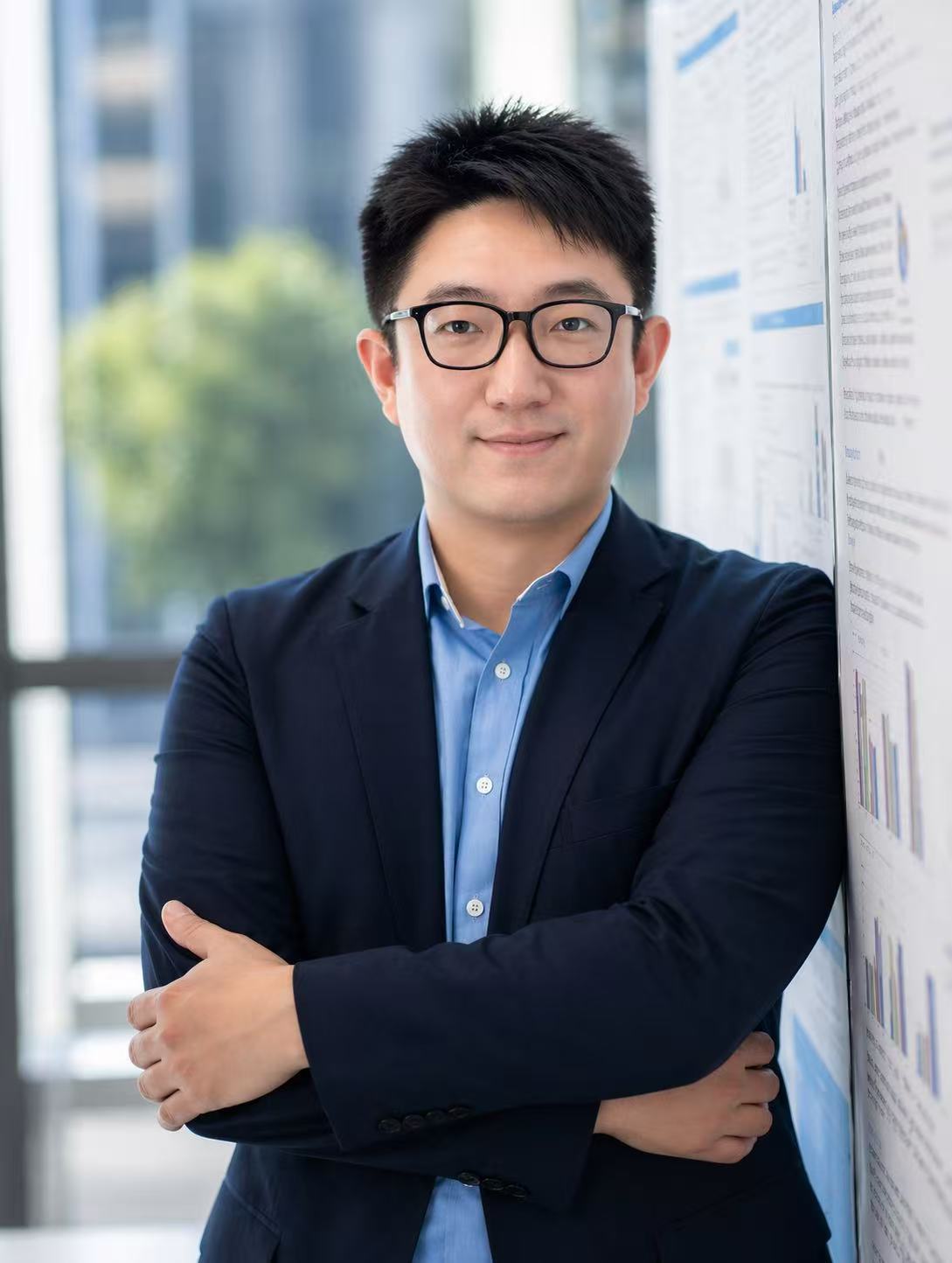
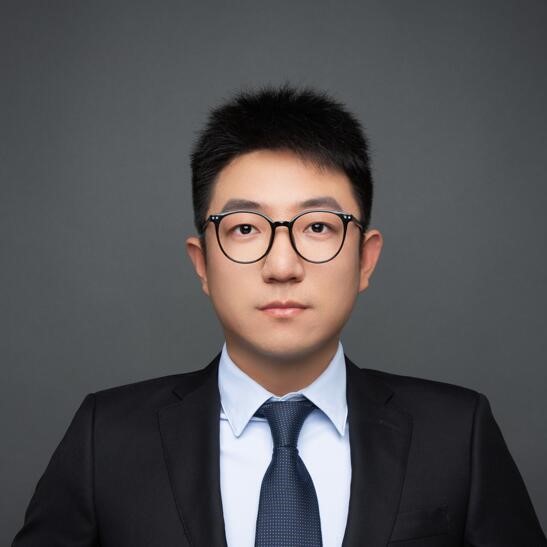
Ruiyang Ge (蓋瑞洋), PhD
I am a biomedical engineer and a computational neuroscientist with specialized training and expertise in computational brain health and neuroinformatics. I am affiliated with the Department of Psychiatry and the Djavad Mowafaghian Centre for Brain Health at the University of British Columbia, and I will be joining University of Macau as a Tenured Associate Professor.
Research Interests
- AI/Machine Learning
- Computational Psychiatry
- Human Mental Health
- Neuroinformatics
- Personalized Neuroimaging
- Therapeutic Neuromodulation
My research sits at the intersection of biomedical informatics, data science, and precision mental health. With a background in biomedical engineering (B.Eng.) and computer science (Ph.D.), I develop computational methods that transform complex, multi-scale health data, including neuroimaging, physiological signals, and healthcare data, into actionable insights and tools for healthcare delivery and public health. The long-term goal of my research is to advance precision and translational biomedical informatics.
News and Updates
- May 2026: Our work validating the generalizability of the CentileBrain models across ethnoracially diverse populations has been published in the Proceedings of the National Academy of Sciences (5-year IF=10.6)!
- April 2026: Our work appraising neuroimaging-based clustering studies in schizophrenia and examining whether brain-derived subtypes are reproducible, biologically valid, and clinically meaningful has been published in the Biological Psychiatry: Global Open Science (5-year IF=3.9)!
- Feb 2026: Our work reviewing neuroimaging-derived brain age and subtyping in adolescent major depressive disorder has been published in Neuroscience & Biobehavioral Reviews (5-year IF=9.3) and Nature Communications (5-year IF=17.2)!
- Jan 2026: We received an SOBP Special Project grant for our Translational Neuroimaging Educational Program, see you at the 2026 SOBP Annual Meeting @ NYC.
- Oct 2025: I am honored to receive the ACNP Global Scholarship!
- Sep 2025: Our CentileBrain project has been awarded a NIMH R01 grant!
- Aug 2025: Our collaboration "Episode-specific cortical functional connectome reorganization and neurobiological correlates in bipolar disorder: a cross-sectional study" has been published online in BMC Medicine! Huge congratulations to Xiaobo on this fantastic achievement!
- April 2025: We successfully organized an educational session and participated in two symposia at the 2025 Society of Biological Psychiatry (SOBP) Annual Meeting.
- Feb 2025: I will be giving a talk titled "CentileBrain: Normative Brain Modeling and Applications in Psychiatric Disorders" on Feb 6th as part of the UBC IMH PROGRESS Webinar Series.
- Jan 2025: Our work on personlized neuroimaging for mental health has been highlighted at UBC Medicine PATHWAYS.
- Jan 2025: Our Translational Neuroimaging Educational Program has been awarded a Special Projects Funding for the Society of Biological Psychiatry (SOBP) Annual Meeting. See you in Toronto in April 2025!
- Dec 2024: We are pleased to announce that two of our symposium proposals have been successfully accepted for 2025 Society of Biological Psychiatry (SOBP) Annual Meeting.
- July 2024: Our team has been awarded a CIHR Project Grant!
- July 2024: Our work on brain-age prediction "Brain age prediction: Systematic evaluation of site effects, and sample age range and size" has been published online in Human Brain Mapping (5-year IF=4.7)! Congratulations to Yuetong and Hao Qi for their first 1st-author publication!
- June 2024: Our co-authored paper "Brain responses to intermittent fasting and the healthy living diet in older adults" has been published online in Cell Metabolism (5-year IF=31.2).
- March 2024: Our CentileBrain technical paper "Normative modelling of brain morphometry across the lifespan with CentileBrain: algorithm benchmarking and model optimisation" has been published online in Lancet Digital Health (5-year IF=27.7), and has been highlighted by the Brain & Behavior Research Foundation.
Check out this new team effort 🧠published in @PNASNews https://t.co/xmOSPlCC09
— GeRuiyang-蓋瑞洋 (@RuiyangGe) May 12, 2026